
What Does TPU Mean in Phone Cases? A Sourcing Guide for Brands

A TPU phone case uses thermoplastic polyurethane in all or part of its construction. In phone case applications, TPU is commonly selected for flexible edges, comfortable installation and a range of surface, color and transparency options. However, “TPU” is a material family, not one fixed specification. The resin grade, hardness, thickness, additives, surface treatment and case geometry all influence how the finished product feels and performs.

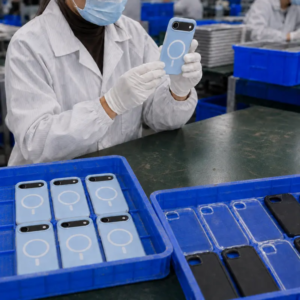
For a brand buyer, the material label alone is not enough. A case may be made mainly from TPU, or it may combine a TPU frame with a rigid polycarbonate component. Magnetic rings, clear backs, soft-touch surfaces, printed artwork and card-display features can then be added according to the product structure. The buyer should confirm the complete construction and approve a physical sample before placing a bulk order.

This guide explains what TPU means in phone cases, how common TPU structures differ, what customization may be available, and which details a brand or wholesaler should check during sourcing.

What Does TPU Stand For?

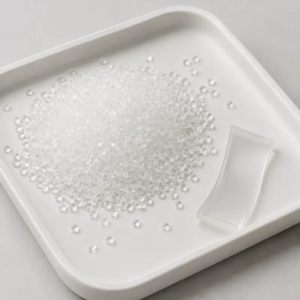
TPU stands for thermoplastic polyurethane. It belongs to the thermoplastic elastomer family: it can provide elasticity while also being processed as a thermoplastic. Commercial TPU is available in many chemistries and grades, so flexibility, hardness, transparency, rebound, wear resistance and weathering performance are not identical across every TPU product.

Material manufacturers offer TPU grades for molding, extrusion and other processing routes. For molded components, suppliers can select grades across wide hardness ranges and with different combinations of transparency, soft touch, color stability and resistance properties. A phone case supplier therefore needs to match the material and construction to the target product instead of relying only on the word “TPU.”

Is a TPU Phone Case Hard or Soft?

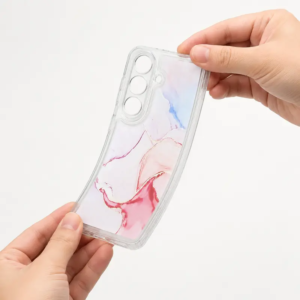
Most phone cases described as TPU cases feel flexible rather than rigid, especially around the edges. This flexibility can make the case easier to install and remove than a fully rigid shell. It can also help a fitted edge wrap around the phone and hold it in position.

That does not mean every TPU grade has the same softness. Commercial molding-grade TPU portfolios cover broad Shore hardness ranges. The finished feel also depends on wall thickness, rib design, corner construction, surface texture and whether the TPU is bonded to or combined with another material. A thick TPU bumper can feel firm, while a thinner single-material case may bend more easily.

Buyer note
Pencil Pencil

Do not approve a case only from a written description such as “soft TPU.” Ask for a sample or an agreed reference product and confirm the intended hand feel, edge stiffness and installation force.

Why Is TPU Used for Phone Cases?

TPU is useful because it gives product designers several ways to balance flexibility, structure and appearance. Depending on the selected grade and case design, it may be used for a complete flexible case, a protective edge or bumper, an overmolded component, or part of a hybrid construction.

For brands and wholesalers, practical advantages may include:

  • Flexible edges that can simplify case installation and removal.
  • A wide range of hardness, color, transparency and surface-feel options, depending on the material grade.
  • Compatibility with selected molded structures and hybrid designs.
  • Possible use with magnetic rings, clear sections, card-display compartments or other product features.
  • Compatibility with selected artwork and logo processes, subject to surface and project testing.

These are design possibilities, not automatic guarantees. Final performance depends on the complete case, including dimensions, edge height, corner geometry, camera clearance, button construction, magnetic component placement and quality control.

Pure TPU vs. TPU + PC Phone Cases

The most important sourcing distinction is whether TPU forms the main case body or is combined with a rigid component such as polycarbonate (PC). The two constructions should not be described as if they were identical.

ComparisonMainly or single-material TPUTPU + PC hybrid
Typical structureA flexible molded case body or bumper made mainly from TPU.A flexible TPU edge or frame combined with a more rigid PC back, shell or structural part.
FeelUsually more flexible across the case, depending on grade and thickness.Flexible at the edge with added rigidity in the PC component.
Design useUsually more flexible across the case, depending on grade and thickness.Layered protection, rigid clear backs, magnetic structures, stands or other hybrid features.
DecorationArtwork is applied to a TPU surface or an added coating, subject to testing.Different artwork or logo processes may be selected for the TPU and PC areas.
Buyer checkConfirm TPU grade, thickness, clarity, fit and surface treatment.Confirm the material of each component, bonding or assembly method, layer fit and magnetic or functional parts.

A hybrid case is not automatically better than a single-material TPU case. The correct option depends on the target price, desired hand feel, appearance, protective structure, decoration process and retail positioning.

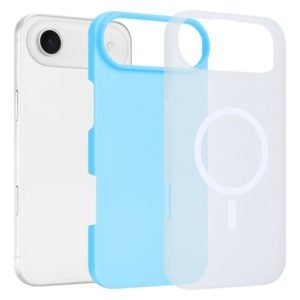
Blue Magnetic Double Layer Case for iPhone 17 Air Exploded Structure

Does a Clear TPU Phone Case Turn Yellow?

A clear TPU case can change color over time, but the rate and degree of change are not the same for every material or product. Resin chemistry, UV exposure, heat, skin oils, dirt, cleaning chemicals, additives and surface treatments can all affect appearance. A low-cost clear case and a color-stable aliphatic TPU grade should not be treated as equivalent simply because both are called TPU.

Material suppliers offer selected aliphatic TPU grades described as color-fast, non-yellowing or UV-stable. Those properties belong to specific grades and test conditions; they do not prove that every finished clear phone case will remain unchanged. The molded part, pigments, coatings, adhesive, processing conditions and actual use environment also matter.

How to evaluate an anti-yellowing claim
Pencil Pencil

Ask which material or grade is used, what part of the case the claim applies to, whether an aging or UV test is available, and whether the supplied production material will match the approved sample. Avoid publishing a fixed non-yellowing lifetime unless the exact product has evidence supporting it.

Does TPU Automatically Mean Better Phone Protection?

No. TPU can contribute flexibility, grip, abrasion resistance or impact-energy management when an appropriate grade and structure are used, but the word “TPU” does not by itself establish a protection level. A finished case also depends on edge thickness, corner design, raised screen and camera areas, fit, button construction and the interaction between different materials.

If a product is advertised with a specific drop height, military standard or laboratory rating, the buyer should request the exact test method, test report, phone model, sample construction and pass criteria. A general material data sheet cannot replace a finished-product test report.

How Does TPU Compare with Silicone and PC?

MaterialGeneral role in a phone caseImportant sourcing question
TPUFlexible molded body, edge, bumper or hybrid component; available in varied grades and finishes.Which grade, hardness, thickness and surface treatment are used?
SiliconeOften selected for a soft-touch exterior, but commercial “silicone cases” may contain supporting layers.Is the product solid silicone, liquid silicone rubber, a coated construction or a multi-layer case?
PCRigid thermoplastic component often used for backs, shells or structural layers.Where is PC used, and how is it assembled or bonded to the TPU part?
TPU + PCHybrid structure combining flexible and rigid components.What is each component made from, and which area receives the artwork, magnet or stand?

The correct comparison should be made between complete product constructions, not between material names in isolation. A buyer should compare samples that have the same target phone model and similar case geometry.

Common TPU Phone Case Structures Available to Buyers

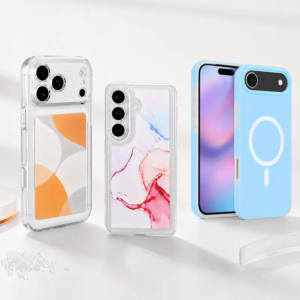
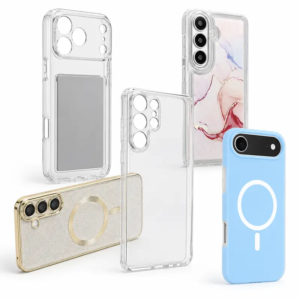
Lumei works with specialized manufacturing partners and coordinates different existing-mold and custom phone case projects. The following examples show how TPU can be used in different products. Availability and material composition should be reconfirmed for the selected phone model and order.

ExampleConfirmed structure or featureReference
Marble-pattern case for Samsung Galaxy S26Single-material or mainly TPU case with decorative artwork.custom-marble-pattern-tpu-phone-case-for-samsung-galaxy-s26
Magnetic double-layer case for iPhone AirTPU + PC hybrid structure.custom-magnetic-double-layer-case-for-iphone-air
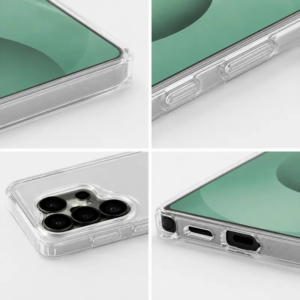
Transparent magnetic case for iPhone AirTransparent TPU case with a magnetic structure.custom-transparent-magnetic-shockproof-tpu-case-for-iphone-air
Soft-touch translucent case for iPhone AirTranslucent, matte or soft-touch TPU appearance.custom-magnetic-soft-touch-translucent-case-iphone-air
Glitter electroplated case for iPhone 17 ProDecorative glitter/electroplated appearance; exact component materials confirmed per product.custom-magnetic-glitter-electroplated-phone-case-for-iphone-17-pro
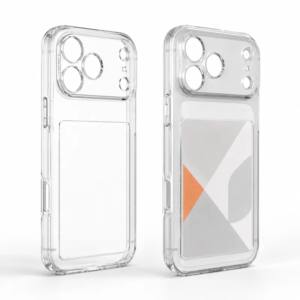
i18 trading-card display caseIn-stock TPU case with a rear card-display compartment.trading-card-display-mobile-phone-case-for-iphone-18

Can TPU Phone Cases Be Customized?

Yes. For selected TPU products, Lumei can coordinate UV artwork, heat-transfer artwork, silk-screen logos, custom colors, magnetic structures and custom packaging. The suitable method depends on the actual case, surface, phone model, artwork, quantity and required finish.

Artwork and Logo Application

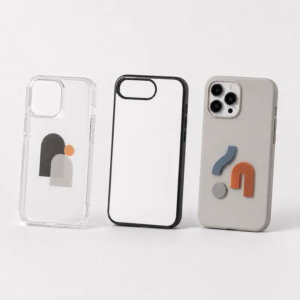
UV, heat-transfer and silk-screen processes create different appearances and have different surface, artwork and quantity requirements. The supplier should review the artwork size, number of colors, print position, edge coverage and expected handling before recommending a method. A process that works on a flat PC back may not produce the same result on a flexible or highly textured TPU surface.

Custom Color and Surface Finish

TPU may be supplied in stock colors or developed with a custom color, depending on the product and production route. Matte, translucent, glossy, glitter or electroplated appearances may involve different materials, coatings or component combinations. A physical color sample, approved color reference and tolerance should be confirmed before production.

Magnetic and Functional Structures

A magnetic ring, stand, card-display compartment or other function must be evaluated as part of the complete case. Buyers should confirm component position, assembly method, charging compatibility, camera clearance and the intended phone models. Magnetic performance should be checked using an agreed sample and test setup rather than assumed from appearance.

Packaging

Custom retail packaging can be coordinated separately from the phone case. The insert, tray, poly bag, label, barcode and carton should match the case dimensions and target sales channel. Packaging MOQ may be calculated separately from the case MOQ, so both quantities should be reviewed during quotation.

Need a project-specific review?
Pencil Pencil

Send the phone models, quantity per model, reference case, material preference, artwork, color and packaging requirements. Lumei can review the feasible product route, customization method, sample plan and applicable MOQ before quotation.

What Should a Brand Buyer Check Before Ordering?

A useful TPU phone case specification should cover more than the material name. Before requesting a final quotation, confirm:

  • Phone brand, exact model and model list.
  • Case construction: mainly TPU, transparent TPU, soft-touch TPU, or TPU + PC hybrid.
  • Material and function of each component, including magnetic rings, stands, inserts or card compartments.
  • Target hand feel, flexibility, wall thickness, edge shape and surface finish.
  • Stock colors or custom color references.
  • Artwork file, print position, decoration method and required finish.
  • Quantity per model, color and artwork design.
  • Individual packaging, labels, barcodes, inserts and carton requirements.
  • Destination country, delivery deadline and any required product or packaging documentation.

If some details are not yet decided, provide the target market, product reference, estimated quantity and required functions. The supplier can then recommend an existing-mold product and identify which specifications still need approval.

How Should Buyers Evaluate a TPU Sample?

A sample should be checked against the agreed specification and reference photos. The buyer should not evaluate only the artwork or color. A structured review normally includes:

  • Correct phone-model fit and alignment.
  • Edge coverage, corner consistency and ease of installation.
  • Button position and response.
  • Camera, speaker and charging-port clearance.
  • Surface consistency, transparency, color and visible marks.
  • Magnetic ring, stand or card-compartment position and function, where applicable.
  • Artwork size, color, position, adhesion and edge quality.
  • Fit inside the approved individual packaging.

Any special claim—such as a particular drop rating, anti-yellowing performance or chemical resistance—requires an agreed test method and evidence for the exact product. Once the sample and specification are approved, the approved reference should be retained for production and inspection comparison.

How to Request an Accurate TPU Phone Case Quotation

Provide the following information in the first inquiry:

  • Product reference or desired case structure.
  • Phone models and quantity per model.
  • Material preference, such as mainly TPU or TPU + PC.
  • Stock or custom colors.
  • Logo, artwork and preferred decoration method, if known.
  • Magnetic, stand, card-display or other functional requirements.
  • Packaging requirements.
  • Destination country and required delivery date.

Lumei evaluates the project requirements, coordinates with a suitable specialized manufacturing partner, and confirms the applicable product, customization process, sample arrangement, MOQ, production plan and shipping options during quotation.

Frequently Asked Questions

What is a TPU phone case?

A TPU phone case uses thermoplastic polyurethane in all or part of the case. It may be a flexible single-material case or a hybrid structure that combines TPU with a rigid component such as polycarbonate.

Is TPU plastic or rubber?

TPU is a thermoplastic elastomer. It can provide rubber-like elasticity while being processed as a thermoplastic. Its exact feel and properties depend on the grade and finished design.

Is a TPU case hard or soft?

Phone case TPU is commonly flexible, but TPU grades cover a broad hardness range. Wall thickness, ribs, corners and hybrid components also affect how firm the finished case feels.

Is TPU the same as silicone?

No. TPU and silicone are different material families. In addition, a product sold as a silicone case may contain supporting layers, so buyers should confirm the complete construction.

What is the difference between TPU and PC?

TPU is generally used where flexibility is required, while PC is commonly used as a more rigid structural component. Many phone cases combine a TPU edge with a PC back or shell.

Do clear TPU cases turn yellow?

Some clear TPU cases may discolor over time. The result depends on the resin grade, UV exposure, heat, oils, chemicals, coatings and processing. Selected aliphatic TPU grades offer better color stability, but claims should be verified for the exact finished product.

Can TPU phone cases include magnetic rings?

Yes, selected TPU or TPU + PC cases can include magnetic structures. Ring placement, assembly, charging compatibility and performance should be confirmed using the selected sample.

Can TPU phone cases be printed with a custom design?

Yes. Selected products can support UV artwork, heat transfer or silk-screen logos. Suitability and MOQ depend on the surface, artwork, phone model, case structure and order quantity.

What is the MOQ for TPU phone cases?

For selected in-stock products, orders may start from 50 units and available models and stock colors may be mixed under the confirmed combination rules. Custom artwork, logos, colors and packaging have process-specific MOQs that are confirmed during quotation.

What information is needed for a quote?

Send the case reference, phone models, quantity per model, material, colors, artwork, functions, packaging, destination and requested delivery date.

Ready to Source TPU Phone Cases for Your Brand?

Lumei supports in-stock wholesale, existing-mold customization and project-specific development through a network of specialized manufacturing partners. We coordinate product matching, quotation, sampling, production follow-up, inspection and shipping according to the selected phone models, materials, artwork, quantity and packaging requirements.

Send your project details through Request a Quote to receive a recommended product route, applicable MOQ and tailored quotation.

Please include the product type, phone model, quantity, material, color, logo and packaging requirements.