
Watch Band Materials Compared: Silicone, Nylon, Leather and Metal
Table of Contents
- What to Check on Material Samples
- Frequently Asked Questions
- What is the best material for watch bands
- Is nylon better than silicone for a watch band
- Are PU watch bands genuine leather
- Are all metal watch bands stainless steel
- Does a titanium colored finish mean the band is titanium
- Can all watch band materials use the same logo process
- Can Lumei supply different materials for one product range
- Does a material name prove waterproof or skin safe performance
- Can I receive samples before bulk production
- Request a Material Sample Review
- References
Silicone, nylon, leather and metal are common watch band materials, each offering a different combination of feel, appearance, care needs and branding options. Silicone is useful for a molded sport-style range. Nylon provides a textile feel and woven construction. Leather and PU support different leather-look products, while metal bands offer link or mesh designs. The best choice depends on the finished band and the customers you plan to serve.
When comparing watch strap materials for a wholesale range, consider what can be customized and what should be checked before a bulk order. A material name alone does not describe the complete product. Confirm the band body, wrist-facing surface, hardware, connector and finish together, then compare samples against the same purchasing brief.
PU and stainless steel are the main supply options within Lumei’s leather-look and metal ranges. Genuine leather and alternative metal specifications can also be reviewed for individual projects, with the exact materials confirmed before ordering.
Watch Band Materials at a Glance
| Material group | Useful product direction | What to compare on samples |
|---|---|---|
| Silicone | Molded sport and everyday bands | Feel, thickness, edges, holes and logo adhesion |
| Nylon | Woven straps and adjustable textile loops | Weave, seams, drying needs and fastening |
| PU and genuine leather | PU as the main leather-look option; genuine leather on request | Exact material, lining, stitching and edge finish |
| Stainless steel | Main metal option for mesh and link bracelets | Mesh or joint finish, clasp, adjustment and coating |
| Other specified metals | Alternative materials for a defined project | Factory-confirmed composition, finished weight and hardware |
This table is a selection guide rather than a test ranking. Construction, dimensions and finishing can change how two bands within the same material group feel and perform. Compare complete products that fit the same intended device and wrist range.
Silicone Watch Bands
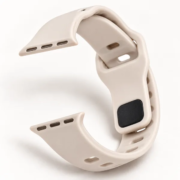
Silicone bands use a flexible molded body. Buyers can compare solid or perforated designs, different surface textures and a choice of existing colors. The material can suit a sport-oriented collection, but comfort still depends on the compound, thickness, edge shape, adjustment range and closure. A softer feel is not automatically a better fit for every design.
During sample review, handle the band, adjust it and check the wrist-facing side. Look for rough molding lines, uneven holes, visible surface defects or a free end that is difficult to retain. If the sample includes a printed logo, inspect its position and appearance on the curved band. Agree any rubbing or flexing checks before production rather than assuming a particular print lifetime.
For Lumei silicone projects, single-color screen printing, selected colored artwork, recessed laser marking and custom colors are available subject to the chosen style and project requirements. A silicone label does not establish that a band is liquid silicone, medical grade or suitable for a particular exposure. Use the agreed material specification for those details.
Nylon Watch Bands
Nylon watch bands use a textile construction. A woven two-piece strap and an adjustable nylon loop can feel different even when both are sold under the same material name. Yarn composition, weave density, thickness, seam placement and fastening affect the finished product. Ask whether nylon is the main fiber or part of a blend, particularly when a design also stretches.
Nylon is worth comparing when your range needs a fabric feel or an adjustable loop. Check the edges and seams against the wrist and inspect where the fastening attaches to the textile. A loose thread, bulky join or rough edge can affect the customer experience regardless of the headline material. Water can remain within a textile construction, so include drying and cleaning instructions suited to the actual product.
Lumei currently offers woven-in logos and separate fabric labels for selected nylon projects. Direct printing on the nylon band body is not part of the current offer. Existing colors are the starting point; custom nylon colors and printed patterns are not currently offered. If your artwork needs several colors or a specific position, review it with the proposed label or weave before approving the order.
PU and Genuine Leather Watch Bands
PU First and Genuine Leather Options
PU is the main option in Lumei’s leather-look watch strap range. It provides a synthetic leather surface for buyers who want this appearance across selected styles and colors. Genuine leather is also available when the project specifically requires it and generally costs more than a comparable PU option. Final pricing depends on the complete product specification.
PU and genuine leather must be named separately in the order. PU commonly describes a polyurethane-based synthetic leather surface, while genuine leather is animal-derived. PU coatings can create a leather-like surface on textiles [3]. Surface grain or color alone cannot reliably identify which material a photographed strap uses; confirm the material with the production partner.
For PU, specify the surface material and backing of the selected product. For genuine leather, request the stated leather type and finish rather than treating the word “genuine” as a quality grade. Record the lining, edge treatment, stitch color and buckle for either option. Approve the specification with the sample so repeat orders can follow the same material description.
Care and Branding Considerations
Leather-look bands can serve a casual or dress assortment, but their care instructions should follow the actual surface and construction. Avoid assuming that PU and genuine leather have identical cleaning needs or age in the same way. Check the edges, folds and stitching on the sample, and agree any moisture or rubbing evaluation needed for the intended use.
Lumei supports embossed logos, selected color printing and gold or silver foil branding on genuine leather and PU projects. The selected surface, artwork and position determine the practical result. Review a sample when the mark sits near a fold, stitch line or narrow edge. Custom material colors also involve a separate material quantity requirement, which is assessed during quotation.
Metal Watch Bands
Stainless Steel Bands
Stainless steel is the main material in Lumei’s metal watch band range. It is available in selected articulated link bracelets and woven mesh designs. These constructions provide different adjustment methods and contact surfaces, allowing buyers to compare styles within the same material group.
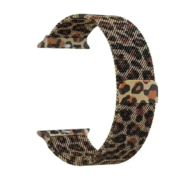
For link bracelets, check joint movement, pin retention, removable links and clasp operation. For mesh, inspect the edges, adjustment and fastening area. Lumei’s Milanese examples are specified as stainless steel mesh. “Milanese” describes the mesh construction; confirm the material specification of the exact product you select.
Specify the base metal and surface finish separately. Selected stainless steel bands can have a titanium-colored finish, as well as other available colors. A gray or titanium-colored appearance does not establish that the links are made from titanium. For a repeat order, keep the approved finish reference alongside the material description.
Titanium Color and Other Metal Options
A request for a titanium-colored band can often be reviewed as a stainless steel project with the required finish. If the buyer instead needs titanium or a titanium alloy as the actual material, state that requirement explicitly so the production partner can confirm the available specification and quotation. The material and color are separate purchasing decisions.
Other metal specifications can be reviewed on request. Confirm the band body, clasp, pins and connectors, since they may use different materials. If weight matters to the brief, compare complete samples of the same intended size. An image or a trade description alone does not establish composition or a fixed weight saving.
For metal branding, Lumei can arrange laser logos on suitable bands or hardware. Artwork size and the available flat area matter. Check the mark against the actual finish and approve its position before production. Any claim about material grade, coating durability or other performance needs support for the selected product.
How to Choose a Material for Your Product Range
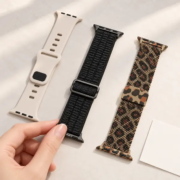
Start with the use and appearance your customers expect, then shortlist materials within the correct device connection. A sport-oriented range can compare silicone and selected nylon products. A leather-look range can start with PU and add genuine leather where required. A bracelet range can start with stainless steel mesh or links, then review alternative metal specifications for a defined project.
For a practical first comparison, choose a small number of samples with a similar wrist range and the intended connector. Handle each one, operate the closure and assess the surfaces that touch the wrist. Keep a short record of what you observed. This makes the decision more useful than assigning universal comfort or durability scores to materials you have not tested.
Quotation also depends on more than the material name. Hardware, material grade, construction, finish, branding, packaging and order quantities contribute to the project cost. Ask the supplier to compare defined specifications rather than assuming that every silicone or PU band belongs in the same cost bracket. Lumei prepares project quotations without publishing a fixed price list.
Comparing materials for an upcoming order? Send your target device, preferred band references and quantities. We can review suitable stock and branding options for the range.
Cleaning and Maintenance Need a Product Specific Plan
Provide care information for the exact band. Garmin’s material guidance treats leather, metal, nylon and silicone differently: leather needs gentle wiping and drying, textile straps need time to dry after cleaning, and metal finishes should not be treated with abrasive polishes [1]. These examples explain why a single cleaning instruction is insufficient for a mixed-material range.
Apple also distinguishes its band care by construction and directs owners of other brands to the instructions supplied with their band [2]. Obtain instructions for the selected Lumei product, including its logo, coating and hardware. A general material guide does not establish a cleaning-agent approval or waterproof rating for a different finished band.
Keep appearance claims specific. If the retail listing needs a statement about colorfastness, corrosion resistance, repeated flexing or another performance feature, agree the test method and acceptance criteria for that product before using the claim. Material descriptions and sample photos serve a different purpose from a test report.
Customization Options by Watch Band Material
| Selected material | Lumei routes to discuss | Project detail to confirm |
|---|---|---|
| Silicone | Single-color screen print, selected artwork, recessed laser logo, custom color | Style, artwork, position and color quantity |
| Nylon | Woven-in logo or separate fabric label; existing colors | Weave or label design and attachment position |
| PU and genuine leather | Embossing, selected color printing, gold or silver foil, stitch selection | Surface specification and finished sample |
| Stainless steel and other specified metals | Laser logo on suitable band or hardware; available finishes | Base metal, marking area, finish and component identity |
The available routes apply to selected projects, not every possible combination of materials and artwork. For nylon, keep the distinction between a separate branded label and a logo woven into the band. For leather, compare the finished embossed or printed sample. For metal, review the actual marking surface instead of placing the logo only on a digital mockup.
Minimum quantities depend on the style, connector version, design and process. Different logos require their own minimums, and different connectors are assessed separately. Stock-color mixing may be possible within an agreed project. Retail packaging has its own quantity requirements. Confirm the combined order during quotation rather than applying one number to all material and branding options.
What to Check on Material Samples
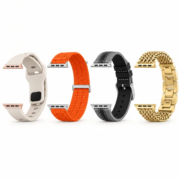
Approve a sample that represents the product you will sell. A plain stock band is a useful material reference, while a finished custom sample shows the actual logo and selected finishing. Keep the approved specification and sample reference together so the bulk order can be checked consistently.
- Material identity: stated band-body material, lining or backing, and hardware composition where relevant.
- Fit and construction: exact device, connector, wrist range, thickness and closure operation.
- Workmanship: molding edges and holes, textile seams, leather or PU edges, and metal joints or mesh.
- Appearance: agreed stock color or custom-color reference, finish, logo position and artwork.
- Order consistency: quantity for each style, color and connector, plus labels and separate packaging requirements.
Routine appearance and function checks can help compare samples. Any formal performance evaluation needs a defined procedure and acceptance criteria. Lumei can provide sample photos or video and accepts customer-arranged third-party inspection. Existing watch band test reports are not currently available; if a report is required, discuss the exact product and test scope before ordering.
Frequently Asked Questions
What is the best material for watch bands
The best material depends on the product brief. Compare silicone for a molded band, nylon for a textile construction, genuine leather or PU for a clearly specified leather-look product, and metal for mesh or link bracelets. Check the complete sample before choosing.
Is nylon better than silicone for a watch band
Nylon and silicone offer different surfaces and constructions. Compare their feel, fastening, adjustment and care needs on the finished products. Neither material alone determines comfort, fit or performance for every wearer.
Are PU watch bands genuine leather
No. PU is a synthetic leather option and is the main leather-look material Lumei supplies. Genuine leather can also be provided and generally involves a higher cost. Confirm the material and backing with the production partner rather than identifying them from a photograph.
Are all metal watch bands stainless steel
No. Stainless steel is Lumei’s main metal-band material, while other metal specifications can be reviewed by project. Confirm the band and hardware composition before ordering. A titanium-colored finish on stainless steel does not make it a titanium band.
Does a titanium colored finish mean the band is titanium
No. Stainless steel can have a titanium-colored finish. Confirm the base metal separately from the color. If titanium or titanium alloy is required, specify it in the inquiry and obtain the production partner’s material confirmation.
Can all watch band materials use the same logo process
No. Selected silicone projects support screen printing or laser marking, nylon branding uses woven-in logos or separate fabric labels, leather and PU support suitable embossing or printing, and selected metal surfaces support laser logos. Artwork and MOQ are confirmed for each project.
Can Lumei supply different materials for one product range
Yes. Lumei can review a range containing silicone, nylon, leather, PU and metal products. Send quantities by style, color and connector so stock availability, branding and packaging can be assessed together.
Does a material name prove waterproof or skin safe performance
No. Such claims need evidence relevant to the finished product and intended use. Specify the required claim and evaluation before ordering; a material name or product photo is insufficient.
Can I receive samples before bulk production
Yes. In-stock samples are charged at the applicable product price, with shipping separate. Ordinary custom samples generally take 7–10 days and carry a sampling charge. Under the current watch band policy, that charge is not credited against the later bulk order. Development work needs a separate schedule.
Request a Material Sample Review
Lumei is a wholesale supplier working with specialized manufacturing partners. We help brands and retailers compare silicone and nylon bands, PU as the main leather-look option, and stainless steel as the main metal option. Genuine leather and other material specifications can be reviewed for the project, together with branding, packaging and shipping.
Send your target devices, preferred materials, product references and quantity for each style, color and connector. Add your logo file, intended position and packaging needs if you require customization. We can review the options and prepare a quotation based on the actual specification.
References
[1] Garmin. Fit and care. https://www.garmin.com/en-CA/watch-fit-and-care/. General material-care context only; this is not approval of Lumei products.
[2] Apple Support. How to clean your Apple Watch. https://support.apple.com/en-us/108893. Explains the scope of Apple band guidance and directs third-party band owners to their supplied care information.
[3] Covestro. Textured synthetics. https://solutions.covestro.com/en/highlights/articles/theme/applications/textured-synthetics. Supports the distinction between leather-like PU coatings and genuine leather. No claim that Lumei uses Covestro materials.
Request a Wholesale or Custom Quote
Tell us the product type, model, quantity and customization requirements. In-stock wholesale and OEM/ODM services are available.
