
How Are Phone Cases Manufactured? A Step-by-Step Guide for Brands

What Are Phone Cases Made Of?

Different phone case materials create different combinations of flexibility, structure, appearance and customization options. Common materials include:

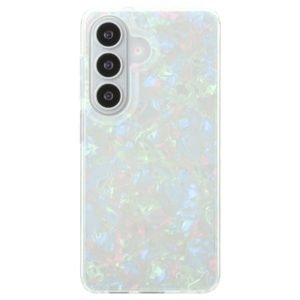
  • TPU: A flexible thermoplastic material commonly used for soft cases, bumpers and shock-absorbing edges. It is easy to install and is available in many existing-mold designs.
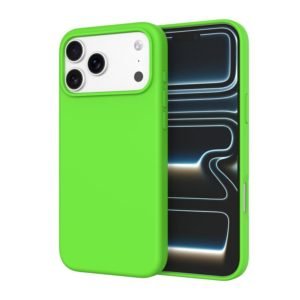
  • Silicone: Often selected for a soft-touch appearance and comfortable grip. The construction and surface treatment should be confirmed because the term “silicone case” can describe different product structures.
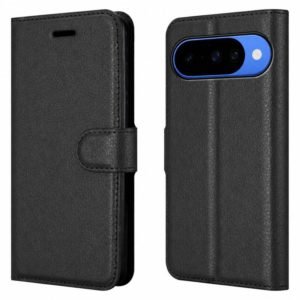
  • PU: Commonly used when a leather-like surface, folio structure, wallet feature or business-style appearance is required.
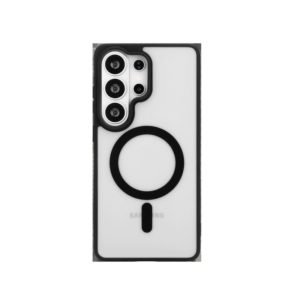
  • TPU + PC: A combination of a flexible TPU frame and a rigid polycarbonate component. It is often used for dual-layer protection, magnetic designs, kickstands and other functional constructions.

There is no single best material for every project. The right choice depends on the target price, appearance, protective function, artwork, packaging and order quantity.

Custom Holographic TPU Phone Case for Samsung Galaxy S26 in Iridescent Full Back View

TPU

Custom Neon Green silicone phone case for iPhone 17 Pro Max shown from front and back

Silicone

Black leather wallet phone case for Google Pixel 10 shown from front and back

PU

Custom Black Magnetic TPU PC Phone Case for Samsung Galaxy S26 Ultra – Rear View

TPU + PC

Step 1 — Define the Product Requirements

Before production begins, the buyer and supplier need a clear product brief. At minimum, the buyer should provide:

  • Phone brand and model
  • Estimated quantity per phone model
  • Preferred material and case construction
  • Colors or color assortment
  • Logo, artwork or pattern files
  • Required functions, such as magnetic compatibility, drop protection or a kickstand
  • Individual packaging and carton requirements
  • Destination country and requested delivery date

A complete brief reduces repeated quotation changes and helps determine whether an existing product can be used or whether a new mold, special color or new construction is required.

Step 2 — Choose an Existing Mold or Develop a New Mold

Most custom phone case projects begin with one of two routes.

Existing-mold products

With an existing mold, the buyer selects an available case design for the required phone models. The supplier then evaluates the quantity, colors, artwork, logo method and packaging. This route is normally faster and can support lower quantities because the tooling has already been developed.

New-mold development

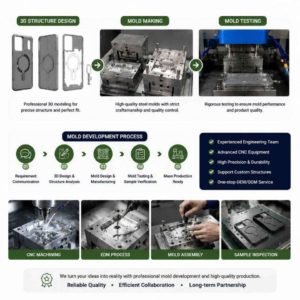
A new mold is required when the buyer needs a new structure, dimensions or functional design that is not available from an existing product. The buyer pays the mold-development cost. Mold development normally takes about 20–30 days, followed by sample approval and mass production. New-mold projects generally start from 2,000 units per product.
Important: A 50-unit starting quantity applies to selected existing-mold customization projects, not to new-mold development or every special finishing process.

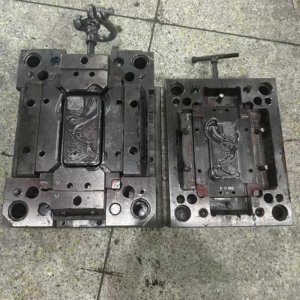
Open metal injection mold used to manufacture a decorative phone case.
Custom phone case mold development and testing process

Step 3 — Select the Material and Case Construction

After the product route is confirmed, the material and construction must match the intended use. A simple TPU case may be suitable for an entry-level branded collection, while a TPU + PC structure can add a rigid back, magnetic ring, stand or layered protection. Silicone may be chosen for its feel and appearance, while PU is commonly considered for wallet or folio products.

The supplier should review not only the material name but also the case thickness, edge structure, button response, camera protection, charging compatibility and decoration area. These details influence cost, sample lead time and the available customization methods.

Step 4 — Choose the Logo, Artwork and Surface Finish

Decoration methods depend on the selected material, case construction, artwork, order quantity and required durability. Lumei matches each project with a suitable production partner and confirms the available process during quotation.

Depending on the project, possible methods may include UV printing, heat-transfer printing, silk-screen printing, IMD/IML, laser engraving, embossing or other surface treatments. Not every method is suitable for every material or order quantity.

Typical project levelGenerally available optionsImportant conditions
From 50 units per phone modelMixed available colors and models; UV-printed artwork on selected existing-mold productsFinal model/color split and artwork feasibility must be confirmed for the selected case.
Around 500 unitsMixed models and colors; UV printing; heat-transfer artwork; custom logo; custom packagingExact MOQ varies by case, process, packaging structure and artwork.
From about 2,000 unitsSpray-applied custom colors or new-mold developmentUsually applies per product; mold costs and development time are quoted separately.

These quantities are practical starting points, not universal guarantees. The confirmed MOQ is based on the chosen phone models, product availability, color split, artwork, process and packaging.

Step 5 — Make and Approve the Sample

Sampling allows the buyer to confirm the case construction, fit, material, color, artwork position and packaging before mass production.

An available stock sample can normally be dispatched directly. A standard sample may be provided free in some cases, while a specially made or complex custom sample may require a sample charge. The customer pays the sample shipping cost. Custom sample preparation normally takes about 7–10 days, depending on the process and material availability.

Before production starts, the buyer should approve the sample or clearly approve the agreed specifications, including artwork placement, colors and packaging details.

Step 6 — Select and Coordinate the Production Partner

Not every factory specializes in every material, structure or decoration method. Lumei works with multiple production partners and selects a suitable partner according to the phone model, material, construction, customization process, quantity, packaging and delivery requirements.

As the project supplier and coordinator, Lumei supports product matching, quotation, sampling, production follow-up, inspection and shipping coordination. Partner-factory identities and sensitive supply-chain information are handled confidentially. For qualified projects, appropriate verification or supporting documents may be discussed under agreed confidentiality arrangements.

Step 7 — Start Mass Production

After sample and specification approval, the selected production partner prepares the materials, schedules the order, completes molding or case forming, applies the approved decoration, and prepares the goods for inspection and packaging.

Production for an existing-mold customization project normally takes about 10–20 days. A new-mold project requires approximately 20–30 days for mold development before sample approval and mass production. Actual lead time depends on quantity, model assortment, material, process, packaging and the production schedule at the time of order.

Step 8 — Inspect the Product and Packaging

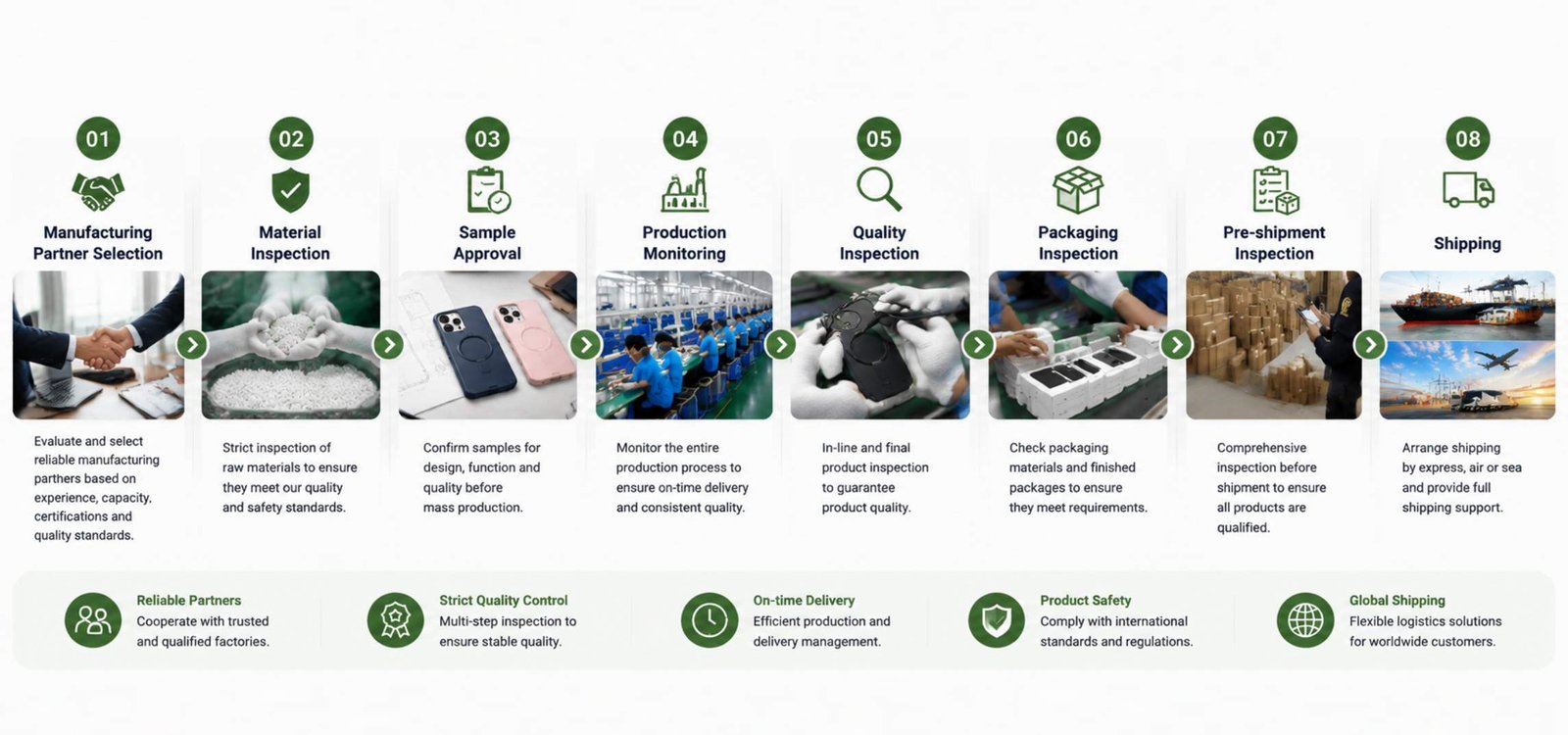
Quality control should be performed at multiple points rather than only after the cartons are closed. Lumei’s coordination process includes:

  1. Manufacturing partner selection
  2. Material inspection
  3. Sample approval
  4. Production monitoring
  5. Finished-product quality inspection
  6. Packaging inspection
  7. Pre-shipment inspection
  8. Shipping coordination

The specific checks depend on the product, but they may include phone-model fit, surface condition, color consistency, logo and print position, button response, camera and port alignment, magnetic or functional performance, quantity, individual packaging and carton labels.

Phone accessory manufacturing and quality control process

Step 9 — Package and Ship the Order

Basic packaging may include an individual waterproof poly bag and an outer export carton. For larger projects, custom retail packaging, branded inserts, labels or other packaging can be developed according to the product and order requirements. Custom packaging is typically more practical from around 500 units, subject to the packaging design and supplier MOQ.

Orders can be shipped to the customer’s selected destination country by international express, air freight, or sea freight. Trucking or other last-mile delivery can also be arranged where applicable. The most suitable shipping method depends on the order size, destination, delivery deadline, and budget. Shipping can be arranged through major international courier and freight networks according to specific project requirements.

How to Request an Accurate Quotation

To receive a useful quotation, include the following information in your inquiry:

  • Name and business email
  • Country or region
  • Product type and phone model
  • Quantity per model
  • Material and preferred case construction
  • Colors
  • Logo or artwork requirements
  • Packaging requirements
  • Requested delivery date or project schedule

If some details are not yet confirmed, send the available information and describe the target market and price range. The supplier can then recommend an existing product route or explain when a higher-quantity process is necessary.

Frequently Asked Questions

What is the MOQ for custom phone cases?

Custom orders generally start from 50 units per phone model for selected existing-mold products. At this level, mixed available colors and models may be possible, and selected cases can support UV-printed artwork. Other logo, finishing, packaging or color processes may require a higher quantity. The final MOQ is confirmed after reviewing the product, model split, colors, artwork and packaging.

Can different phone models and colors be mixed in one order?

Yes, mixed models and available colors can be supported for many existing-mold projects. However, custom work normally starts from 50 units per phone model, and the exact split must be confirmed for the selected product and process.

What can be customized at around 500 units?

Projects around 500 units can typically support mixed models and colors, UV printing, heat-transfer artwork, custom logos and custom packaging. Exact requirements vary by product and process.

When is a 2,000-unit MOQ required?

Spray-applied custom colors and new-mold projects generally start from about 2,000 units per product. Other specialized processes may also require higher quantities.

How long does it take to manufacture custom phone cases?

Custom samples normally take about 7–10 days. Existing-mold production normally takes about 10–20 days after approval. New mold development normally takes about 20–30 days before sampling and mass production. Actual timing is confirmed by project.

Are samples free?

Available stock or standard samples may be free in some cases. Specially made or complex custom samples may require a sample charge. The customer pays the sample shipping cost.

How much does a custom phone case mold cost?

Mold cost depends on the phone model, construction, number of parts, material, surface finish and required functions. A drawing, sample or product brief is needed before the cost can be calculated.

Can you customize the color, logo and packaging?

Yes. Available options depend on the selected case, material, process and quantity. UV artwork may be available from 50 units per phone model on selected products. Logo, heat-transfer artwork and custom packaging are generally more practical from around 500 units. Spray-applied custom colors may require about 2,000 units.

Do you ship custom phone cases worldwide?

Yes. Orders can be arranged by express, air freight or sea freight, with last-mile delivery where applicable. The recommended method depends on the quantity, destination, timeline and budget.

What information is required for a quotation?

Please include the product type, phone model, quantity per model, material, color, logo or artwork, packaging requirements, destination country and desired delivery date.

Ready to Start a Custom Phone Case Project?

Send us your phone models, quantity, material, colors, artwork and packaging requirements. We will review the project, match the appropriate production route and confirm the available customization options, MOQ, sample plan and lead time.